Three technical names, three very different products, and a roofer waiting for your decision. Choosing a flat roof membrane is a significant decision: it's what will protect your building for the next few decades, summer and winter. This article explains the concrete differences between elastomeric, TPO, and EPDM so you can compare quotes with a bit more perspective.
Key takeaways
- The elastomeric membrane is the most proven solution for Quebec's climate, thanks to its double layer torch-welded
- TPO is the best option for energy efficiency : its white surface reflects solar heat
- EPDM is a flexible synthetic rubber, often preferred for commercial buildings and green roofs
- All three membranes are suitable for flat roofs and low slopes, but their performance varies depending on the climate
- A professional inspection remains the best way to choose the right membrane for your specific building
What these three membranes are
No need for a chemistry lesson. Here's what you need to know.
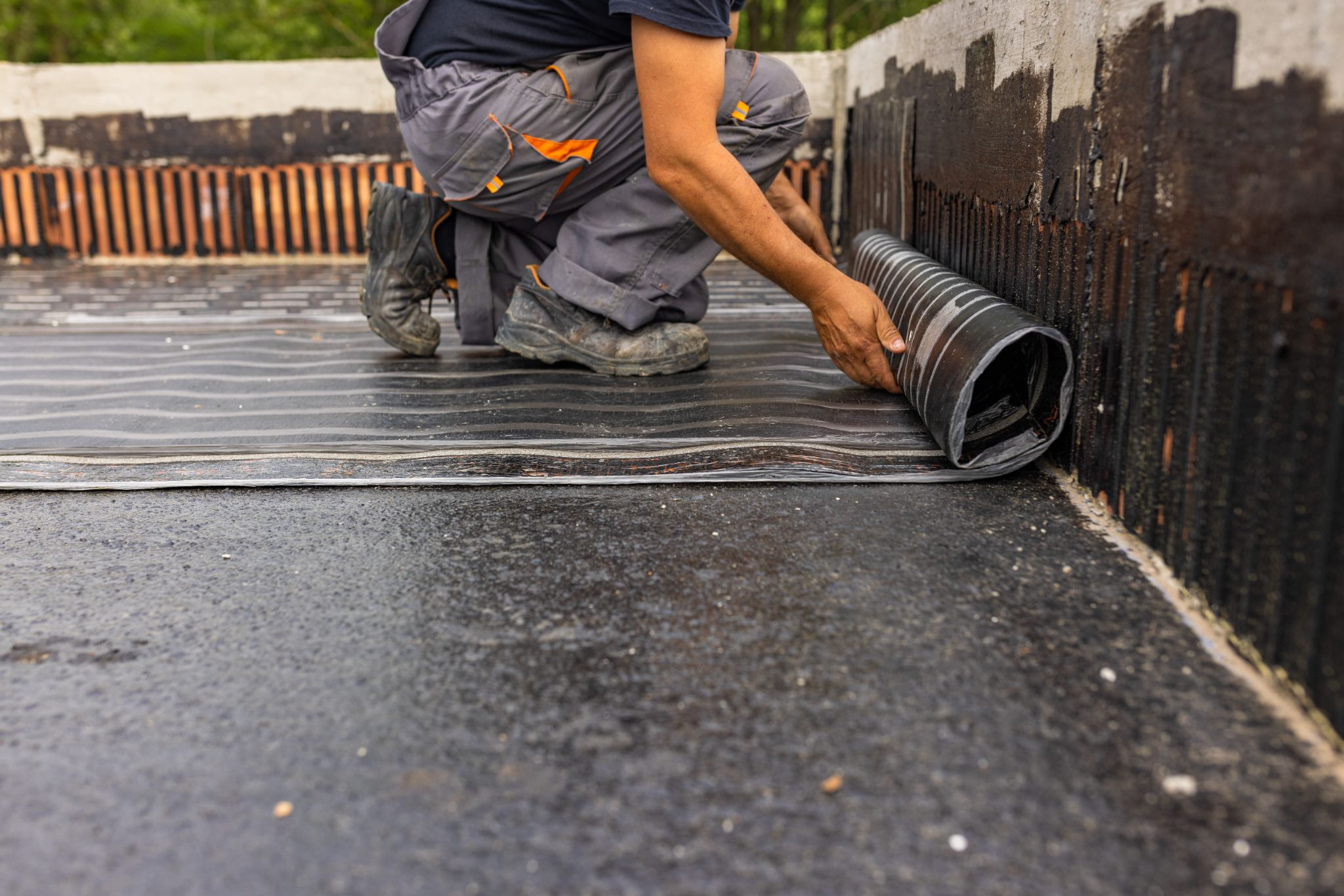
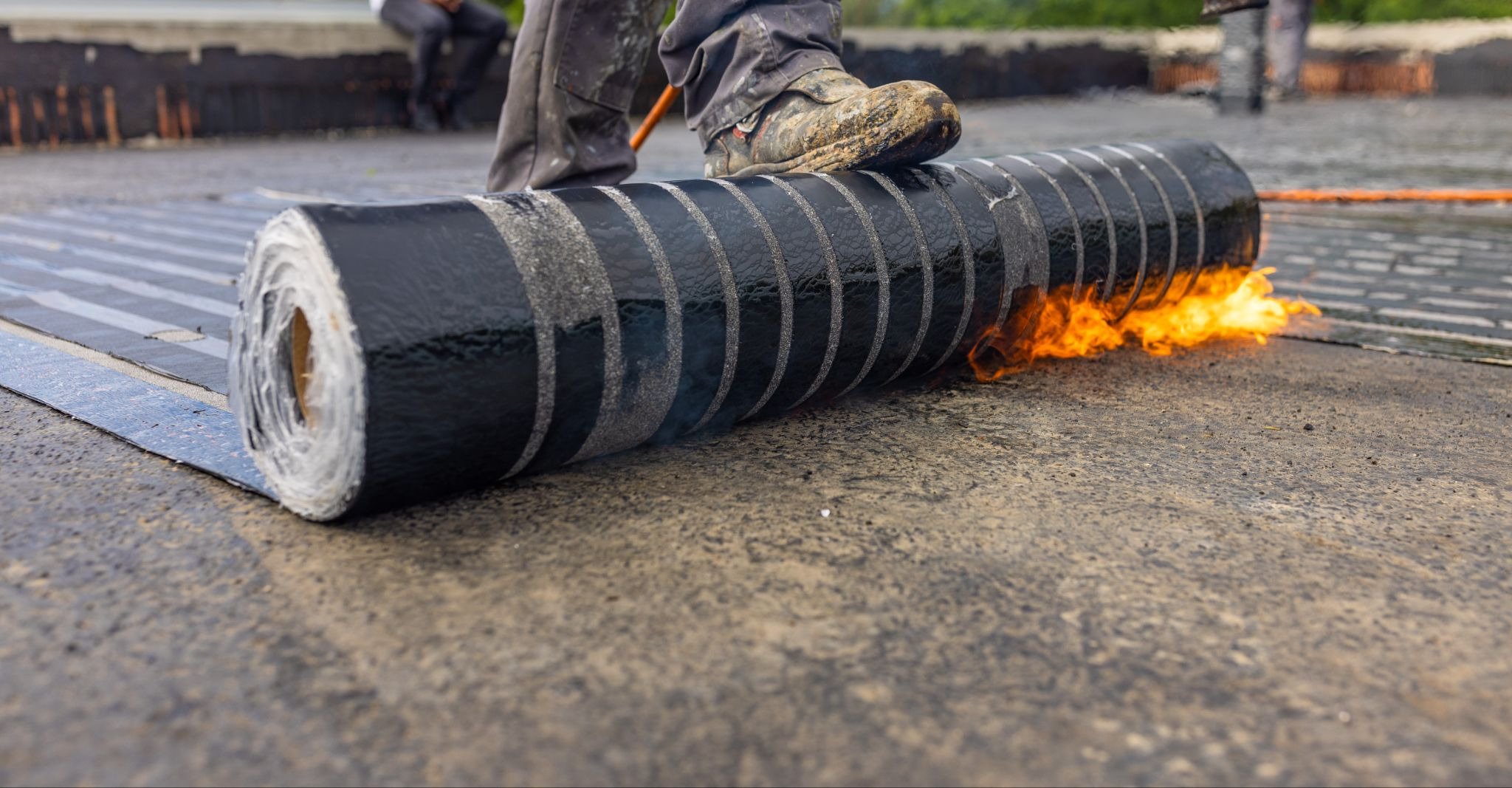
The elastomeric membrane is a two-layer covering made from modified bitumen. The two layers are torch-welded on site, creating a very watertight system. This is by far the most commonly used membrane in Quebec, and the one with the longest track record in our climate.
TPO (thermoplastic polyolefin) is a white single-ply membrane installed by hot-air welding, without a flame. Its light color allows it to reflect heat rather than absorb it. EPDM (ethylene propylene diene monomer), is a synthetic rubber. Black or white, it is mechanically fastened to the roof with screws. Less common in residential applications in Quebec, it is mainly found on commercial buildings.
Advantages and disadvantages of each option
Elastomer stands out for its adaptability to Quebec winters.The welded double layer resists freeze-thaw cycles better than single-ply alternatives, and its lifespan is among the longest in the industry. The downside is the slightly higher initial cost and an installation that requires an experienced roofer with a torch.
TPO is gaining popularity in Montreal, especially for its energy-efficient properties. Its white surface reflects solar radiation, which lowers indoor temperatures in summer and helps reduce urban heat islands. It is also fully recyclable. Its weakness: it withstands extreme cold less effectively than elastomer and requires a bit more attention in winter.
EPDM is often the most affordable option to install. Its flexibility in cold weather is a real asset, and it performs well on large commercial surfaces. It is also well suited for green roofs. In Quebec residential settings, it is less common, which can make finding repairs more complicated depending on your area.
Quick Comparison
What type of building for which membrane?
For a residential home in Montreal, elastomer remains the go-to choice.. Roofers who are familiar with it are numerous, repairs are easy to find, and its performance in freezing conditions is well-documented. It's rarely the wrong choice.
For a project aiming to reduce energy consumption or achieve environmental certification, TPO deserves serious consideration. Its summer efficiency is real, and its recyclability is becoming an increasingly relevant argument.
For a commercial building or a green roof, EPDM has proven itself. Its mechanical resistance and flexibility make it a good choice for large areas. You just need to make sure that the roofer has practical experience with this material.
It's worth noting that according to the Quebec government regulations on building occupancy and maintenance, every owner has an obligation to ensure their roof is watertight. Choosing the right material therefore also relates to regulatory compliance.
What you need to do now
If you're planning work on a flat roof, start by clarifying your priorities. Tight budget? EPDM is often the most reasonable entry-level option. Energy efficiency a priority? TPO deserves a quote. Priority on durability against Quebec's climate? Elastomer remains the reliable choice.
What matters as much as the material, is the quality of the installation. A roofer with expertise in the membrane they install makes all the difference in the longevity of the result.
Maintenance: What all membranes have in common
The best way to protect any membrane is to maintain it regularly. An inspection twice a year, in spring and fall, helps detect detachments or cracks before they cause interior damage.
A warning applicable to all three options : repeated foot traffic is one of the primary causes of premature deterioration. If your roof is accessible, be careful not to walk on it without precautions.
Three membranes, one goal: protecting your building
There's no such thing as a bad membrane; rather, there's a choice that better suits your situation. Elastomeric membranes are suitable for the vast majority of Quebec residential projects. TPO stands out for projects focused on energy performance. EPDM is ideal for commercial buildings or green roofs.
What matters most is choosing a membrane suited to your building, installed by someone who truly knows it well.
Our team can help you assess the best option based on your roof, budget, and goals.
Contact Toiture Couvreur Montréal for a quick quote.
FAQ