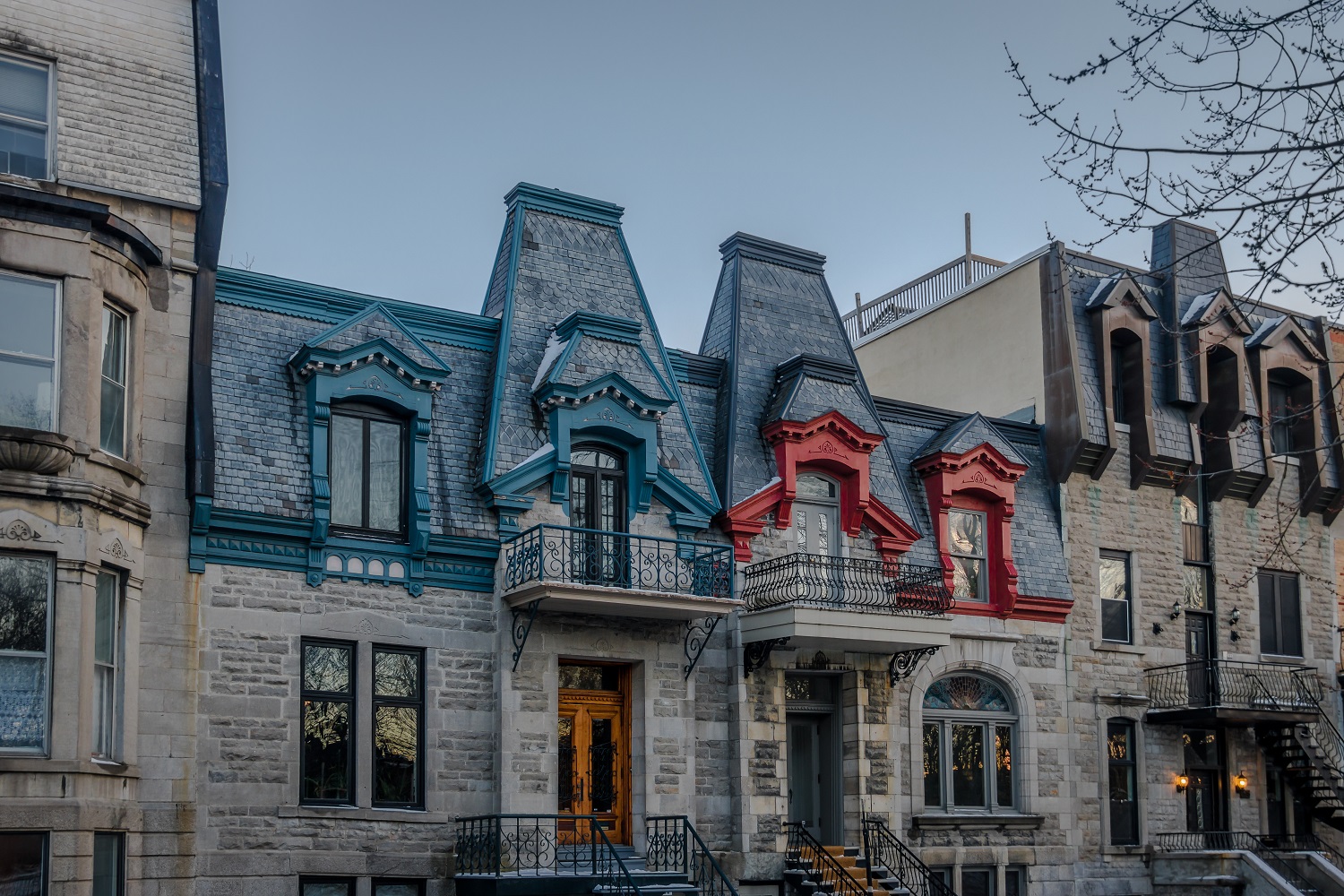
If you walk through the Plateau-Mont-Royal or Old Montreal, you have surely noticed those distinctive dual-pitched roofs that give the neighborhood's buildings so much character. The mansard roof has been an integral part of the Montreal architectural landscape for over a century. Whether you own a building that has one or are considering installing one, here is the essential information to know about this style that is as elegant as it is functional.
Key takeaways
- The mansard roof is distinguished by two slopes, a gentle incline at the top and a steep slope at the bottom.
- The version most often found in Montreal, the false mansard, is a typical regional adaptation.
- This style experienced its golden age between 1885 and 1920, during the Second Empire period.
- In addition to its charm, this roof allows for the creation of living space in the attic.
- Regular maintenance of the lower slope, the most exposed part, significantly extends its lifespan.
What is a mansard roof
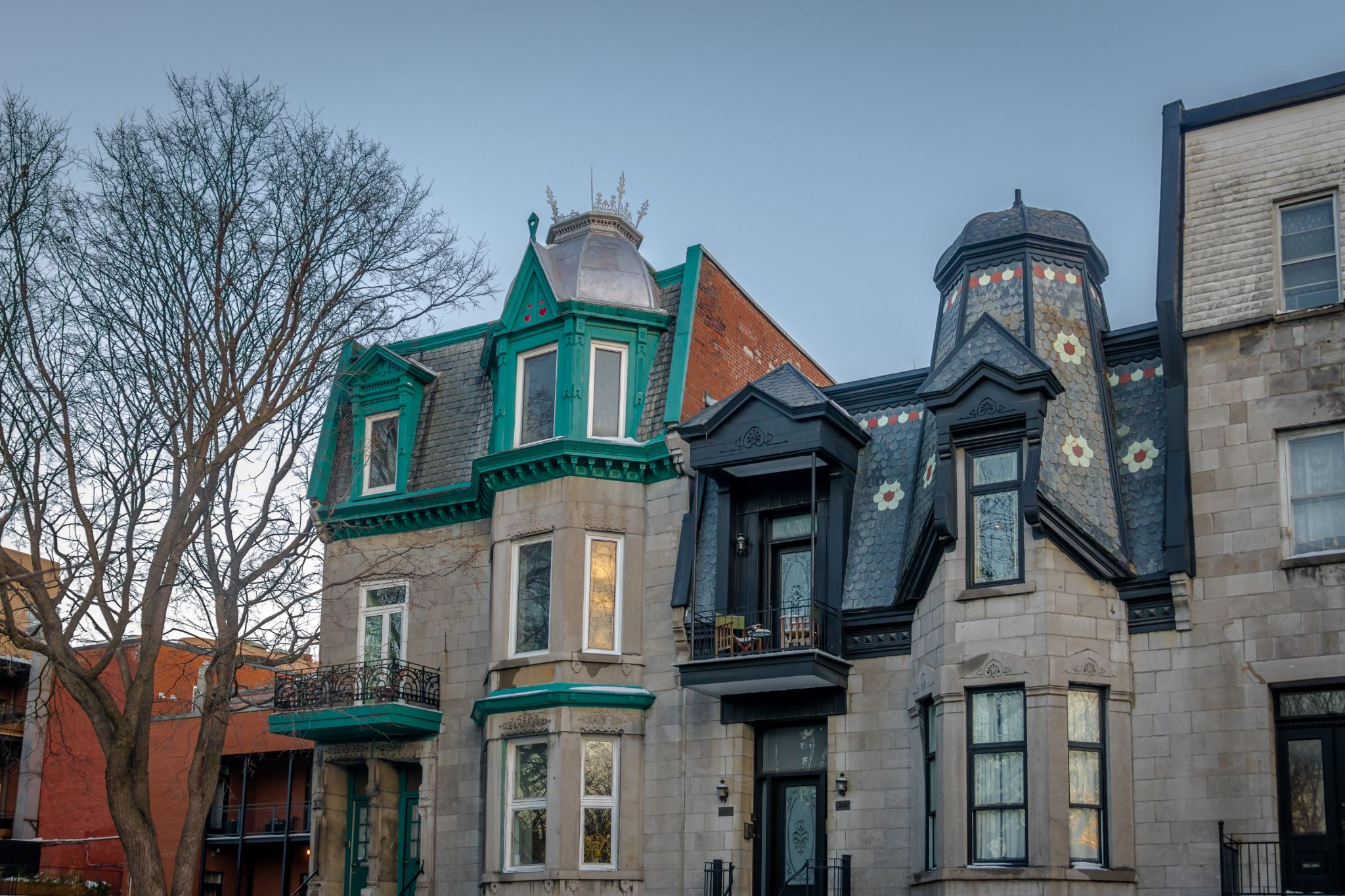
A mansard roof is recognized by its two distinct slopes per side. The upper part, called the deck, is nearly flat, while the lower part, the lower slope, is almost vertical. It is on this steep section that you will often find dormer windows, which provide natural light to rooms finished under the roof.
Why this style is so prevalent in Montreal
In Montreal, the version most commonly seen is not a true mansard, but what is known as a false mansard, a regional adaptation particularly common in the Plateau-Mont-Royal, where the borough has even listed it as a distinctive feature of many heritage buildings in the area. In this version, only the lower slope exists: the upper slope is replaced by a flat roof, offering the best of both worlds. You retain the full visual character of the mansard from the street, while benefiting from a structure that is simpler to build, repair, and maintain in the long term. It is also a style so widespread in Montreal that local roofing crews are perfectly familiar with its specific requirements.
The advantages of this type of roof
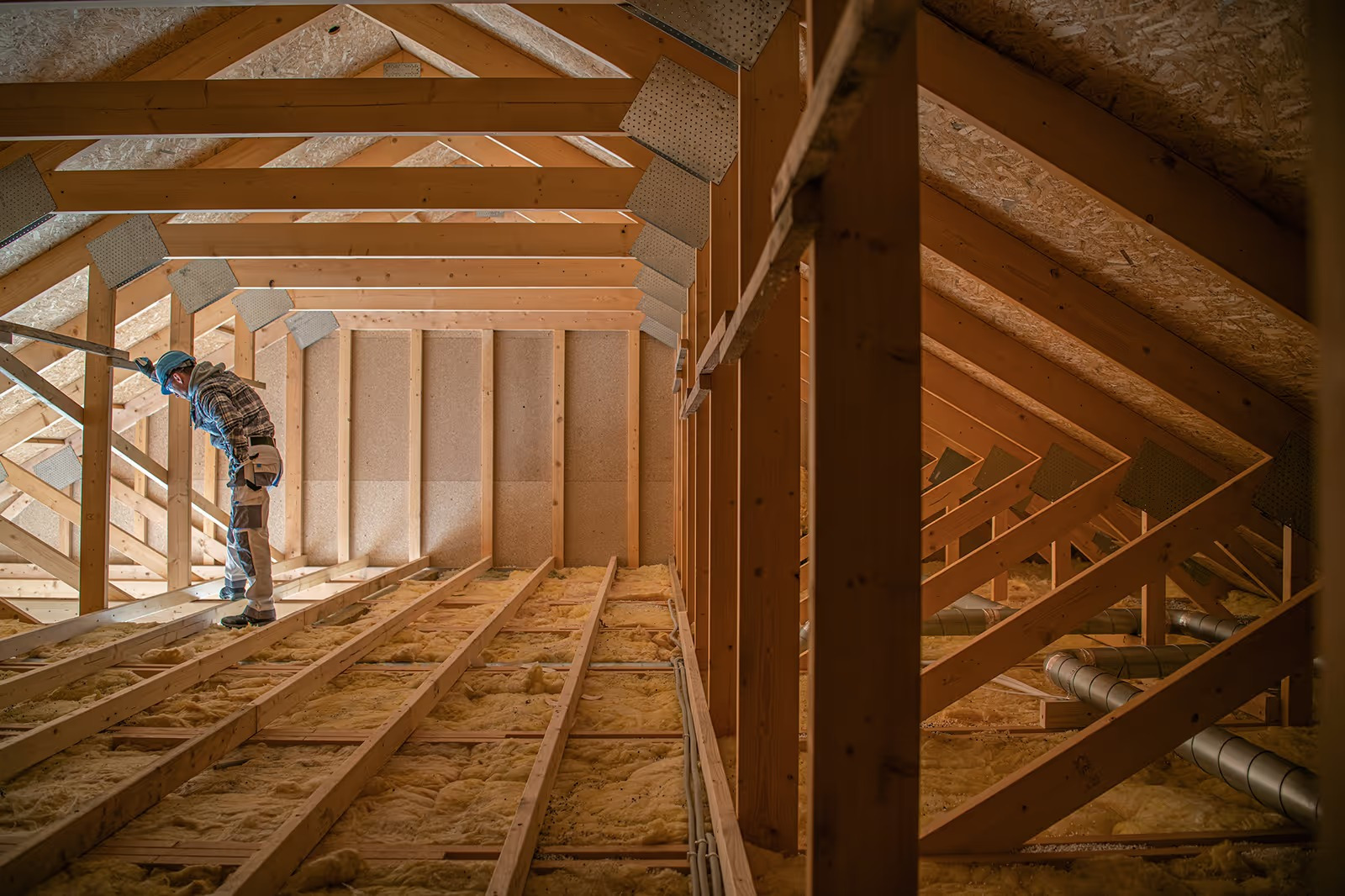
Beyond its visual appeal, the mansard roof offers several concrete benefits. It allows you to utilize the attic as a true living space, whether for a bedroom, an office, or an additional apartment. Its steep slope also facilitates the shedding of snow and rainwater, a significant asset during Montreal winters. Finally, when well-insulated, it contributes to better energy performance of the building, since the space under the roof is no longer just a wasted attic, but a fully heated room.
Traditional and modern materials
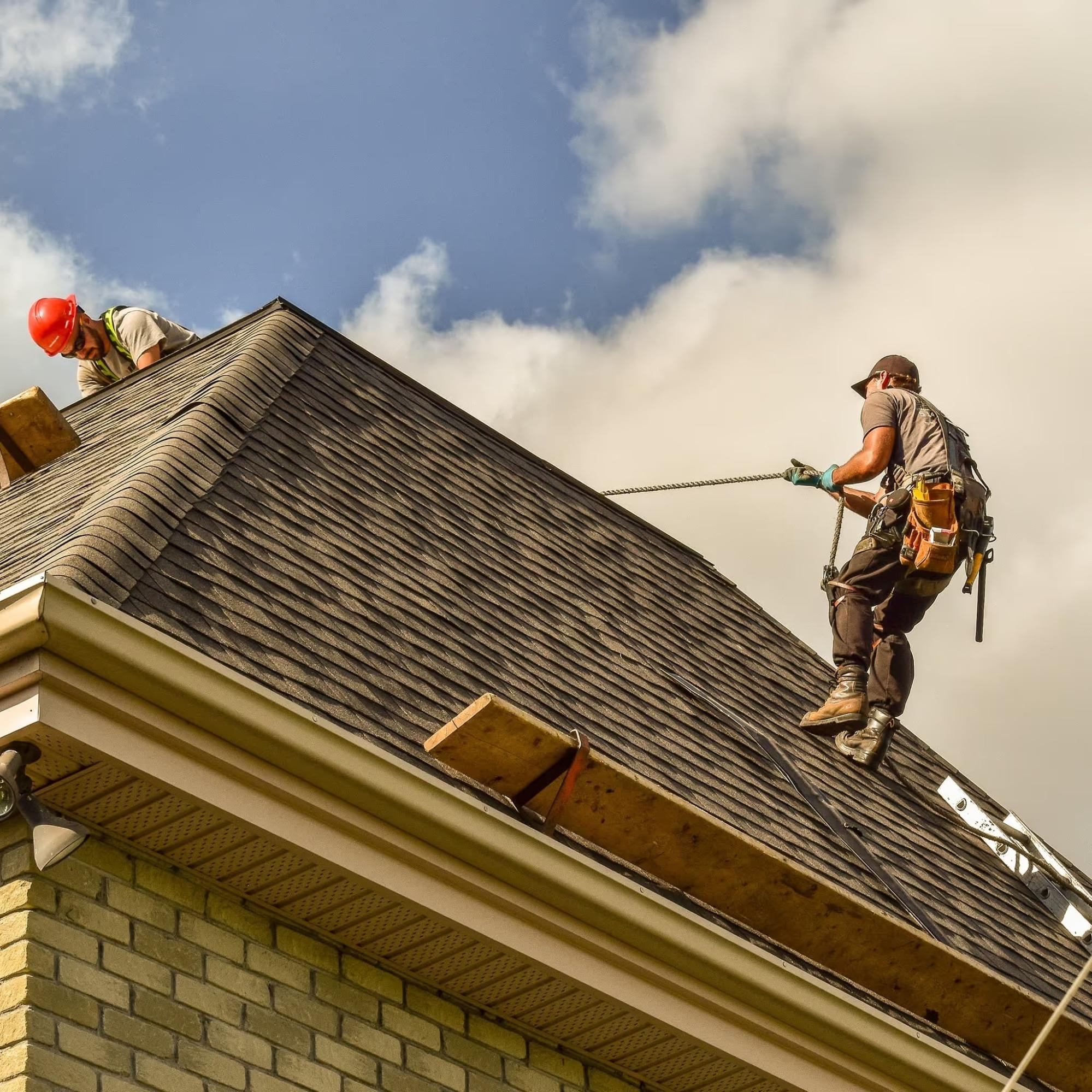
Historically, the steep slope of mansard and faux-mansard roofs was covered in metal or slate, two materials prized for their durability and weather resistance. Today, many homeowners opt for more modern materials such as prefinished metal or architectural asphalt shingles , which offer a good compromise between staying true to the original style and ease of maintenance. The choice of material depends primarily on the building's heritage status: certain Montreal boroughs impose specific requirements regarding the appearance of roofs visible from the street, particularly in areas with heritage value.
Maintenance and points of concern
The steep slope, being nearly vertical and often adorned with dormers, is the most exposed part to the elements and therefore the most likely to require repairs. The dormers themselves are sensitive areas : their junction with the rest of the roof requires properly installed flashing to prevent leaks. An annual inspection helps quickly identify signs of wear, such as lifted materials or cracked joints, before they cause more significant damage to the structure or insulation.
What to do if you suspect a problem
If you notice moisture stains, drafts, or damaged materials on your mansard roof, a professional inspection is essential, especially around the dormers and the steep slope (brisis). If the roof appears to be in good general condition, a simple annual check-up is usually enough to prevent unpleasant surprises. But as soon as a sign of water infiltration appears, it is best to act with a team that understands the specific requirements of this type of roof, rather than waiting for the problem to get worse.
A timeless style
The mansard roof remains a powerful symbol of Montreal architecture, and its maintenance deserves special attention to preserve both its charm and its function. When well-maintained, it continues to offer a beautiful balance of heritage, comfort, and energy efficiency.
Contact our team for an assessment of your mansard roof. We are well-versed in the specific requirements of this style and can advise you on the maintenance, repair, or replacement of your steep slope (brisis).
Frequently asked questions