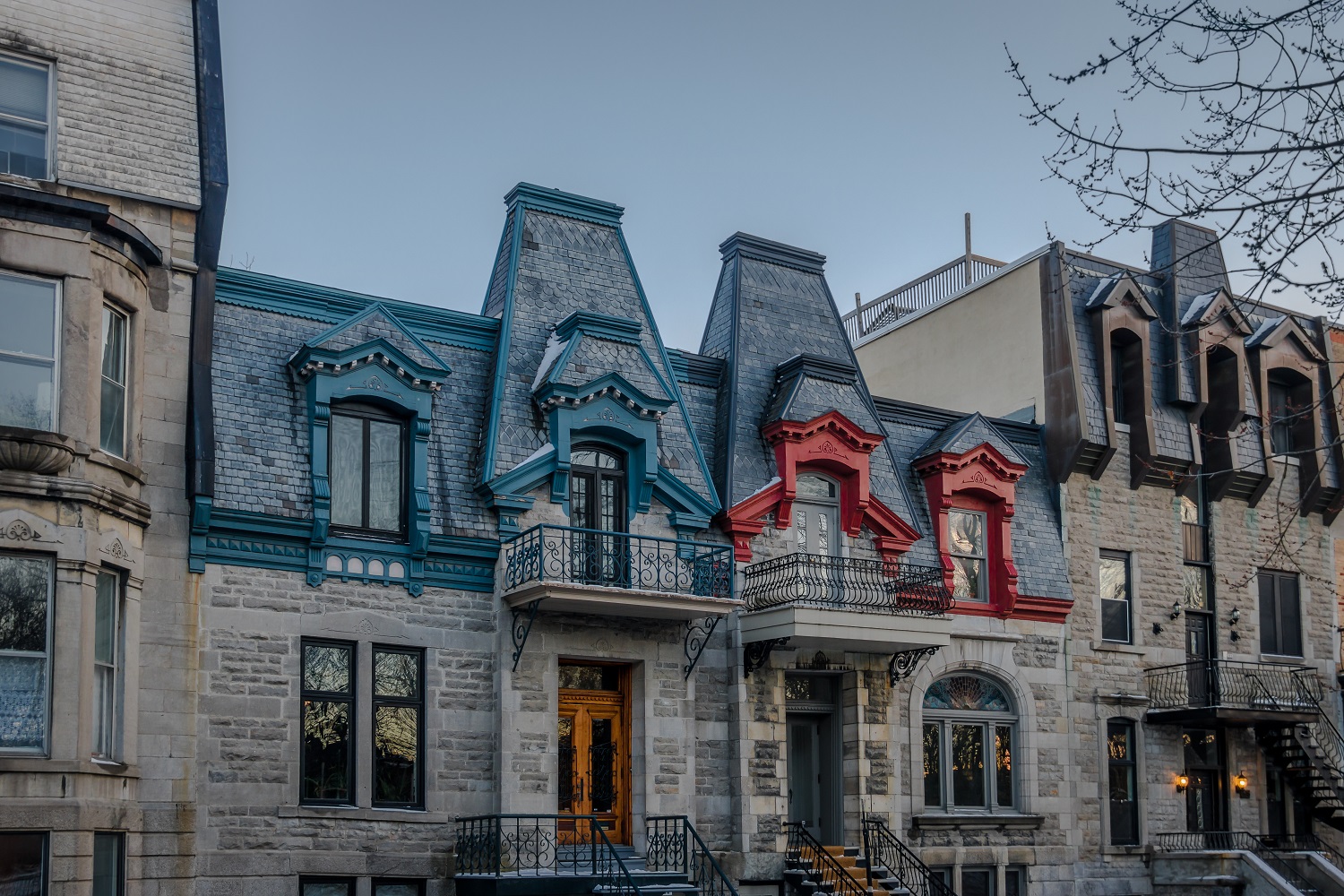
A loose shingle, a small leak in the ceiling, or a roof that's starting to show its age: sooner or later, the question arises. Repair or replace entirely? It's not a simple decision, especially considering what Montreal winters do to a roof. This article will help you understand the situation better, without unnecessary jargon.
Key takeaways
- A repair is often sufficient if the damage is localized and the roof is still in the first half of its lifespan
- A replacement is generally necessary if the roof is old, warped, or if the deterioration extends over several areas
- Quebec's freeze-thaw cycle accelerates deterioration, an annual inspection is highly recommended
- In Montreal, a permit is mandatory for any roof replacement
- A professional inspection is the best way to get a reliable diagnosis before deciding
When a repair is sufficient
There's no need to redo everything to fix a roofing problem. In many cases, a targeted intervention is enough and costs much less.
A repair is generally the best option if the damage is limited : a few torn shingles, a slight crack in the membrane, a leak clearly coming from a single spot. An experienced roofer can often correct this type of situation without affecting the rest.
The age of the roof also comes into play. A relatively new roofing, which is in the first half of its useful life, generally has everything to gain from a good repair rather than a premature replacement. The condition of the decking, i.e., the wood under the shingles, is also a key indicator: if it's sound, a targeted repair is viable.
When replacement becomes inevitable
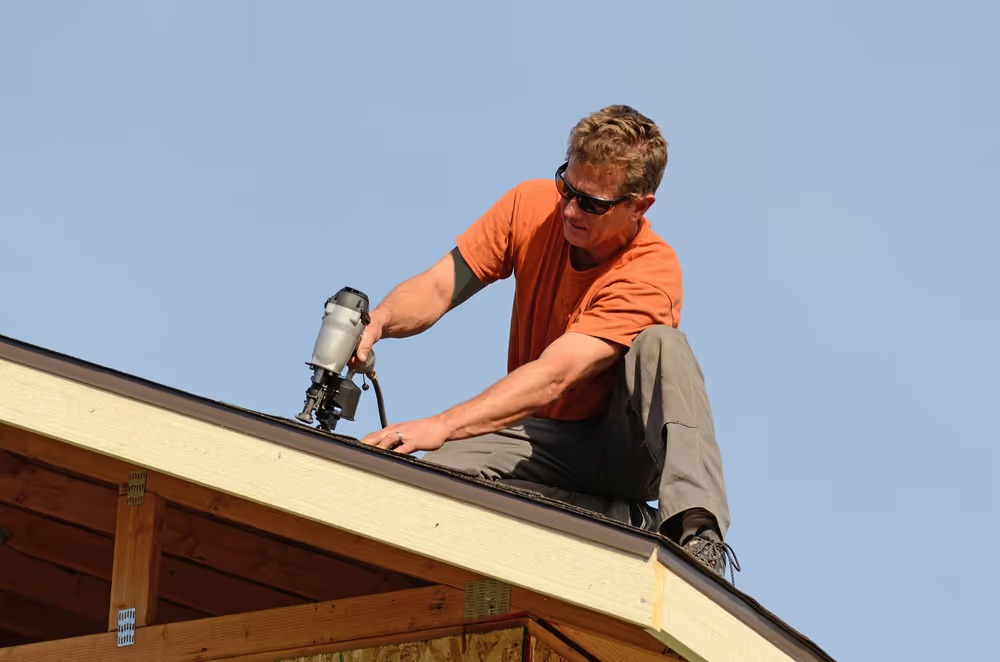
Some signs are harder to ignore. A roof at the end of its useful life rarely fails on just one front: problems accumulate, and successive repairs end up costing more than the replacement itself.
Shingles that curl, that crack in sections or that are falling off in large numbers, is a sign that the material is at its limit. Sagging or deformed areas indicate structural damage that goes beyond what a simple repair can fix. And if leaks return despite interventions, or if moss has covered a significant portion of the surface, it's probably time to consider other options.
According to the Government of Quebec's regulations on building occupancy and maintenance, a municipality can, in fact, order the repair or replacement of worn-out components to ensure a building is watertight. It's better to act before being forced to.
Key criteria for deciding
What you need to do now
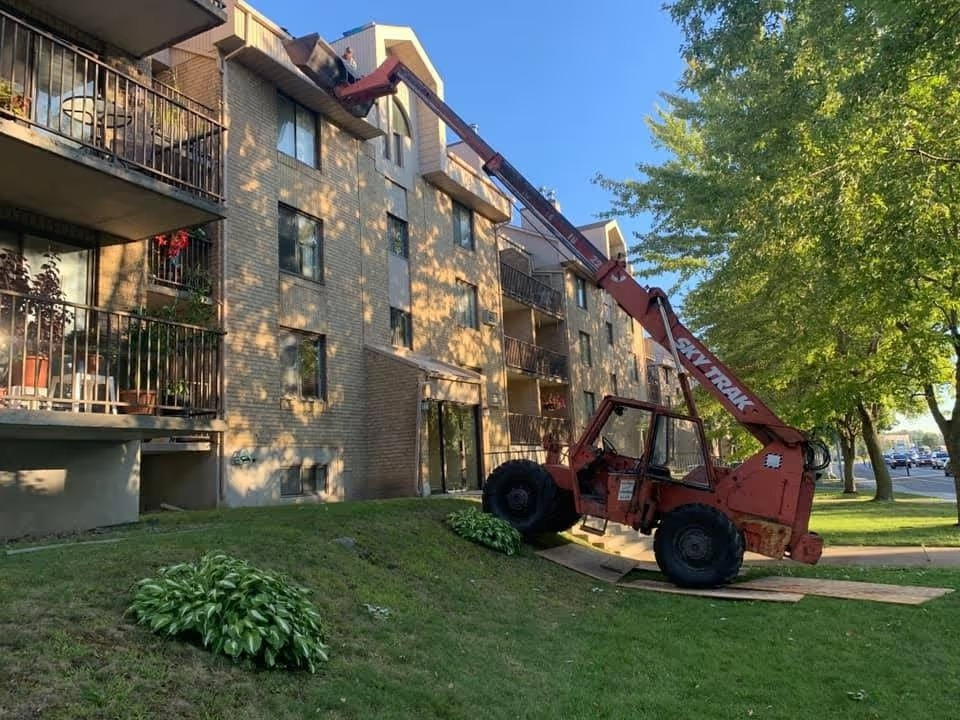
If you have any doubts, start by looking from the ground or from a skylight. The condition of the shingles, the presence of sagging areas, or moss buildup will give you an initial overview. It's not a diagnosis, but it's a starting point.
Also take a look in your attic. Moisture stains, signs of mold, or light shining through the roof are signals to take seriously. These internal indicators often reveal problems invisible from the outside.
Next, contact a certified roofer. A professional inspection remains the only way to get an accurate assessment of the situation before committing to anything.
Preventive maintenance: a few good habits
The best way to avoid an urgent decision between repair and replacement is to maintain your roof regularly. An annual inspection, preferably in spring after the severe cold, helps identify small problems before they become major ones.
Clean gutters prevent water from pooling at the roof's edge, which is one of the most common causes of premature damage in Quebec. After a major storm, removing accumulated snow protects the structure from unnecessary overload. And if a leak appears, don't wait : due to freezing, what seems minor can become serious very quickly.
The decision is yours, but don't remain uncertain
Repairing or replacing is primarily a matter of timing and good information. A roof in generally good condition with a few isolated damages can be repaired very well. A roof that is experiencing multiple problems at the end of its lifespan warrants serious consideration for replacement, if only to avoid spending on repairs what a replacement would have cost.
What you should avoid above all is procrastination. Each additional winter can turn a manageable problem into something much more costly.
Our team can help you assess your roof's condition and weigh your options without pressure.
Contact Toiture Couvreur Montréal for a quick quote.
FAQ