Up to 30% of the heat in your home escapes through the poorly insulated roof. In Montreal, where winters are harsh, poor insulation costs hundreds of dollars each year in heating.
This guide shows you how to improve insulation of your roof to reduce your energy bills and comply with regulations. You will be able to recognize the signs of poor insulation, understand the standards in force and plan your work. No technical expertise is required.
What to remember
- Insufficient insulation increases your heating costs and interferes with comfort
- Quebec standards require minimum levels of insulation for renovations
- Take action now if you notice high bills, temperature variations, or ice on the roof
- Grants are available to finance your workenergy efficiency
Why is roof insulation essential?
The insulation prevents heat from escaping in winter and limits overheating in summer. In Montreal, where temperature differences are extreme, good insulation maintains interior comfort while reducing energy consumption.
A well-insulated roof reduces your ecological footprint and protects your investment. It also prevents condensation and structural damage caused by humidity.
Homeowners who neglect insulation pay more for heating and risk mold problems in the attic.

Signs of poor insulation
There are several signs that it is time to improve your thermal performance. Take a close look at your house and bills.
Signs to look out for:
- High energy bills despite normal use of heating
- Temperature variations significant between rooms due to heat losses
- Ice formation on the edge of the roof in winter (ice dams)
- Attic too hot Summer or too cold in winter
- Traces of humidity or mold in the attic
- Snow that melts quickly on certain sections of the roof
If you see several of these problems, your insulation probably does not meet the standards current.
The insulation standards for your home in Quebec
The Quebec Construction Code establishes minimum thermal insulation values expressed in R values. The higher the R number, the better the insulation.
Residential roof requirements:
- Cathedral roof (without accessible attic): R-41 minimum
- Unheated attic : R-50 minimum for new constructions
- Renovations : improve existing insulation to bring it closer to current standards
These standards guarantee theenergy efficiency and thermal comfort while complying with provincial regulations.
To consult the detailed standards, visit the Régie du Bâtiment du Québec.
When to act and how to proceed
The steps to improve your insulation
1. Attic inspection
Have your current insulation evaluated by a certified contractor. It will measure the thickness and identify problem areas such as thermal bridges.
2. Choice of materials
Insulation types include blown wool (cellulose), fiberglass, and polyurethane foam. Each option offers advantages according to your budget and needs.
3. Professional installation
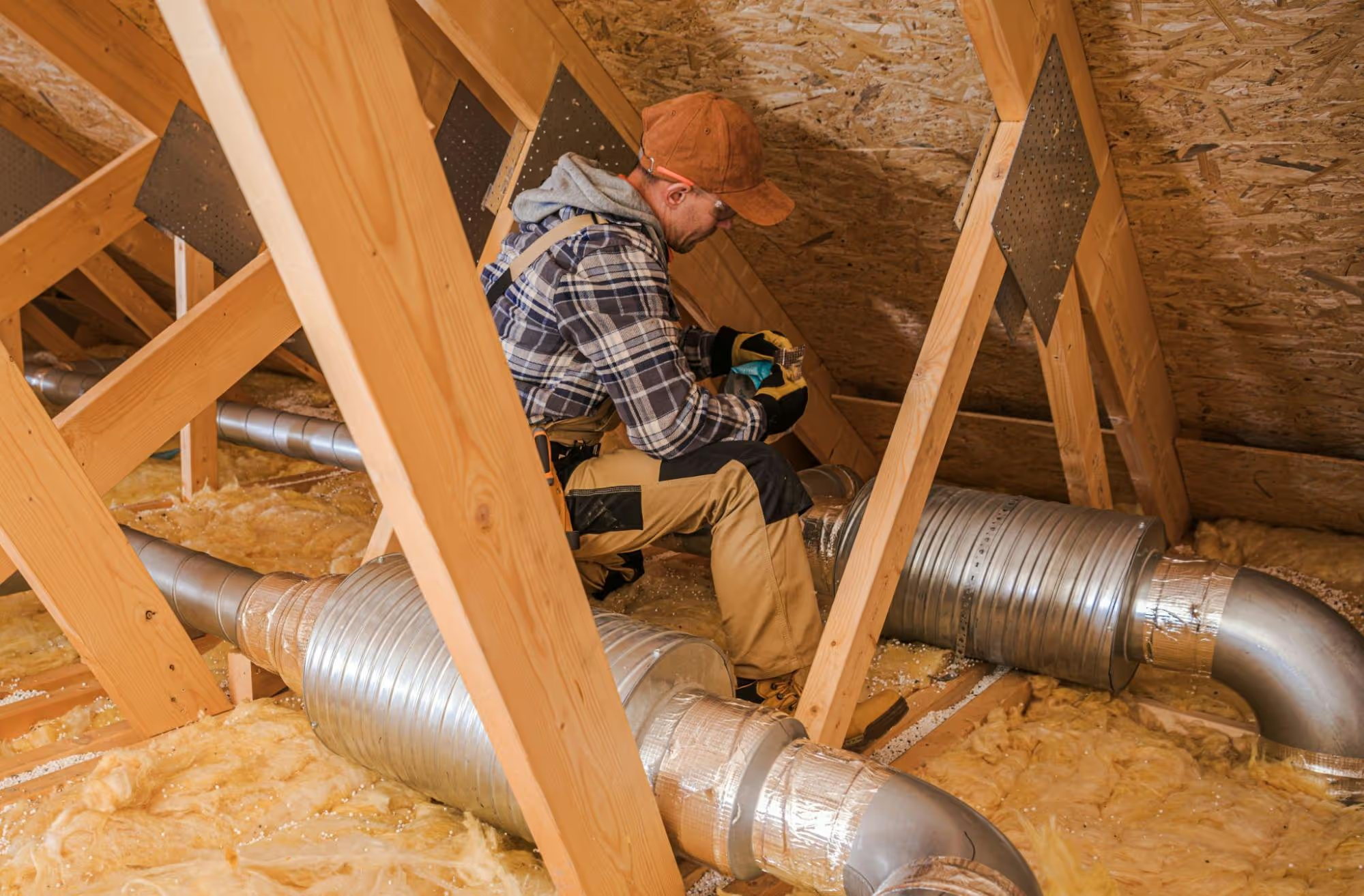
An RBQ qualified roofer installs the insulation in accordance with standards and by ensuring adequate ventilation. Improper installation can cause condensation problems.
4. Appropriate ventilation
Insulation should always be combined with adequate ventilation to remove moisture. This prevents mold and extends the life of your roof.

Common mistakes to avoid
Neglecting ventilation
Insulating without adequate ventilation traps moisture and causes structural damage. The soffits, ridge vents and roof vents should allow for constant airflow.
Compress insulation
Tamp the insulation to gain space reduces its effectiveness. Follow the recommended thickness to reach the required R value.
Postpone work indefinitely
Every winter without proper insulation costs you money and reduces your comfort. The savings made after the work quickly offset the initial investment.
Ignore available grants
The government offers financial assistance programs for the improvement ofenergy efficiency. Not taking advantage of it is leaving money on the table.
Grants and financial aid
Several government programs support insulation work in Quebec.
Renoclimat program offers financial assistance for energy improvement, including insulation. An energy assessment before and after the work is required.
LogiRénov program offers grants for residential renovation, including insulation and energy compliance.
Consult Quebec Energy Transition to find out what programs are available and what are the eligibility criteria.
Best practices for maximizing benefits
- Plan your work during a roof renovation to reduce overall costs
- Combine insulation and ventilation for optimal results
- Pick a RBQ certified contractor experienced in roof insulation
- Document your work with photos and invoices for grant applications
- Do an energy monitor to measure the savings made after the work
Roof insulation represents one of Best investments in home renovation with a rapid return on investment.
Protect your comfort and your wallet
One roof insulation Adequate improves your comfort, reduces your energy bills, and protects your home from damage-related damage. By respecting the standards With Quebec insulation requirements, you guarantee the sustainability of your investment.
The energy savings generated by efficient insulation quickly offset the costs of the work. With government grants, now is the perfect time to take action.
Have your insulation evaluated by experts
If your energy bills are high or if your home shows signs of poor insulation, our team can assess your situation and offer you solutions in accordance with standards. We guide you in choosing materials and help you access available grant programs.
Contact us for a free inspection and find out how to improve your energy efficiency.
FAQ