Do you dream of transforming your roof into a living space? The green roofs offer much more than just a layer of vegetation. Whether you want to create a urban vegetable garden, a Relaxation corner or simply contribute to the environment, the possibilities of green roofs are varied and adaptable to your needs.
This guide explains the different types of layouts possible, the factors to consider depending on your building, and the steps to make your project a reality green roof in Montreal. You will discover practical, accessible solutions that comply with Quebec regulations.
Key points to remember
• Green roofs are divided into three categories depending on the thickness of the substrate and the intended use
• One extensive roof suitable for simple ecological design, while a intensive roof allows vegetable gardens and terraces
• The structural capacity of your building determines the type of layout possible
• The requirements of the Quebec Building Authority (RBQ) include fire safety and load-bearing capacity
• Maintenance varies by type of layout: minimal for extensive roofs, regular for vegetable gardens
What types of layout are possible
Extensive roof: the lightweight ecological option
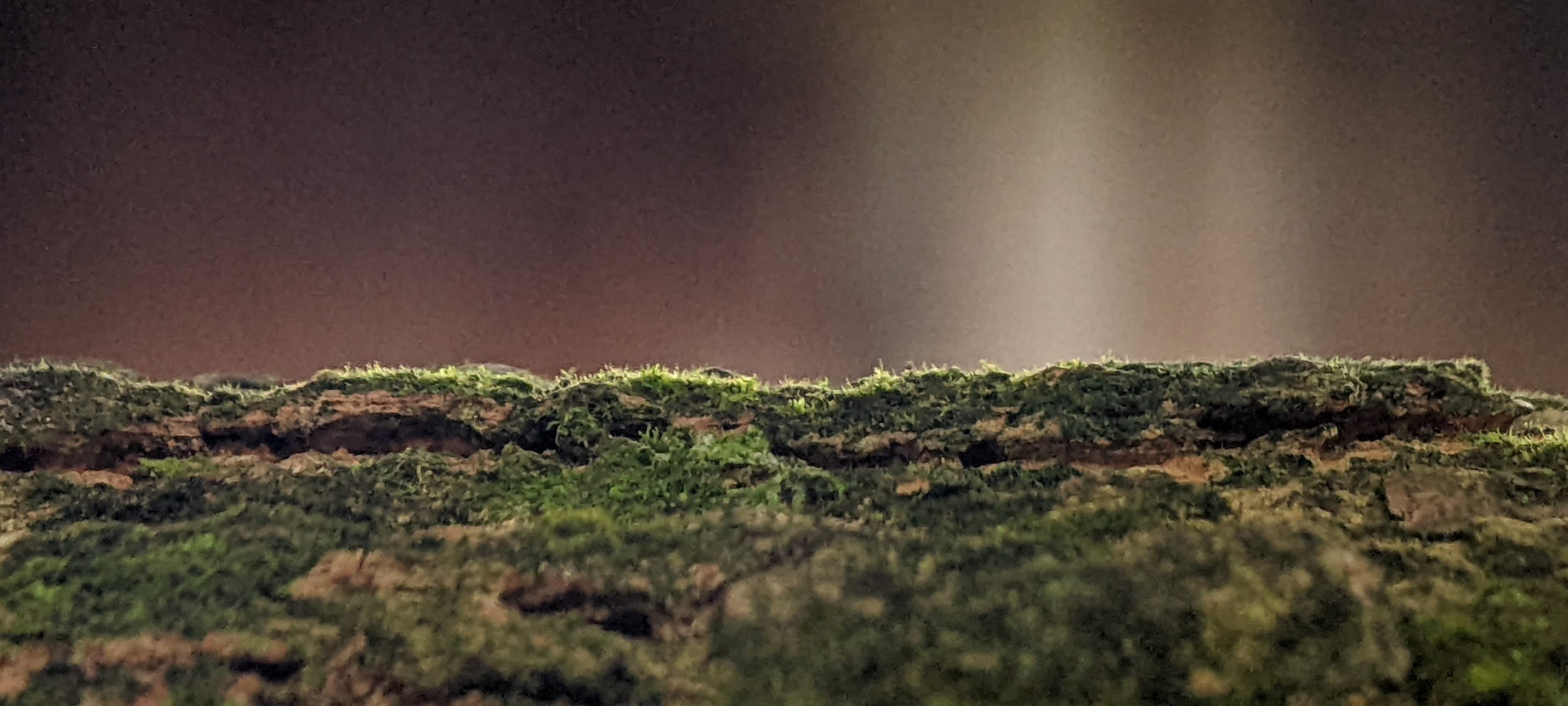
The extensive roof represents the simplest and most economical solution. It hosts resistant plants such as sedums, mosses and grasses.
This type of layout does not generally require structural reinforcement. Son light weight (60 to 150 kg/m²) makes it accessible for most existing buildings.
Maintenance is limited to two annual visits to remove weeds and check drainage. These roofs are not usually accessible to the public, but they contribute effectively to stormwater management and the reduction of heat islands.
Semi-intensive roof: the perfect balance
The semi-intensive roof offers an interesting compromise with a substrate from 150 to 300 mm. This option makes it possible to integrate perennials, shrubs and even edible plants for modest urban agriculture projects.
Possibilities include small areas to relax, accessible trails, and more elaborate landscape areas. Maintenance remains moderate, with three to four visits per season.
This configuration is suitable for homeowners who want to create an aesthetic space without the requirements of a full intensive garden.
Intensive roof: complete garden in height
The intensive roof truly transforms your roof into an extension of life. With over 300mm of substrate, it supports shrubs, small trees and complete landscaping.
This type of green roof offers considerable advantages: an entire vegetable garden can be grown there, and the space becomes an integral part of the homeowners' lifestyle. Well maintained, an intensive roof offers a lifespan of up to 30 years.

How to plan your layout
Evaluate structural capacity
The first step is to have your roof evaluated by a qualified professional. This analysis will determine the type of layout that can be supported by your building.
One existing flat roof generally supports between 100 and 250 kg/m². For a extensive green roof, this capacity is often enough. For intensive development with vegetable garden, structural reinforcements may be necessary.
Comply with regulatory requirements
In Quebec, the construction of a green roof must respect the RBQ technical guide. Criteria include:
- Fire protection (fire-resistant vegetation)
- Adequate load-bearing capacity
- Effective drainage system
- Minimum distance from parapets (wind protection)
Choosing the right plants
For the Quebec climate, choose species that are resistant to cold and drought. Sedums remain the classic choice for extensive roofs thanks to their exceptional resilience.
The essential layers of a green roof
The green roof is composed of a multitude of layers that must be installed with precision.
- The first layer is a membrane, or elastomer or a plastic derivative, which offers excellent sealing against weather and climate change.
- The second layer makes it possible to retain a sufficient quantity of water so that the vegetation can survive without constant drainage.
- The third layer is a geotextile filtration membrane.
- The last layer before vegetation is composed of fertilizer and soil allowing the plants to grow.
This multi-layer installation requires advanced technical expertise. The green roof specialists master each step of this process and guarantee an installation that complies with Quebec standards.
Common mistakes to avoid
Underestimating irrigation needs
An automatic irrigation system is a wise investment, especially for semi-intensive and intensive roofs. During plant establishment (first year), regular irrigation is essential even for resistant species.
Neglecting accessibility
Make sure you have safe access to the roof for maintenance. A hatch, staircase, or passageway avoid complications during seasonal inspections. The installation of roof access hatches can be coordinated with your green roof project to facilitate long-term maintenance.
Forget winter drainage
The drainage system should work effectively in all seasons. The accumulation of Snow and ice can create significant overloads.
Make sure the drains remain clear before winter and after the spring thaw. This vigilance prevents water infiltration and extends the life of your waterproofing membrane.
What type should you choose?
What you need to do now
Start your project with an expert
Contact a specialized contractor En green roof who will assess your building and propose appropriate solutions. He can perform a complete inspection of your roof and advise you on the technical feasibility of your project.
Plan in stages
If budget is a constraint, consider a gradual approach. Start with a simple extensive roof, then add semi-intensive areas or grow boxes according to your needs and resources.
Learn about available resources
Some Montreal boroughs offer support programs or grants for the installation of green roofs. Check with your municipality.
An investment that transforms your property
One green roof well-planned turns an unused space into an ecological and aesthetic asset. Whether you opt for a simple layout or a real garden in height, this approach contributes to improving your quality of life and the urban environment.
Trust the experts for your green roof
Installing a green roof requires specific technical expertise and in-depth knowledge of Quebec's climate challenges. Montreal Roofing offers a complete service for your green roof project, from the initial inspection to the installation of the various layers of membrane and substrate.
Contact us to book the installation of your green roof.
Frequently asked questions