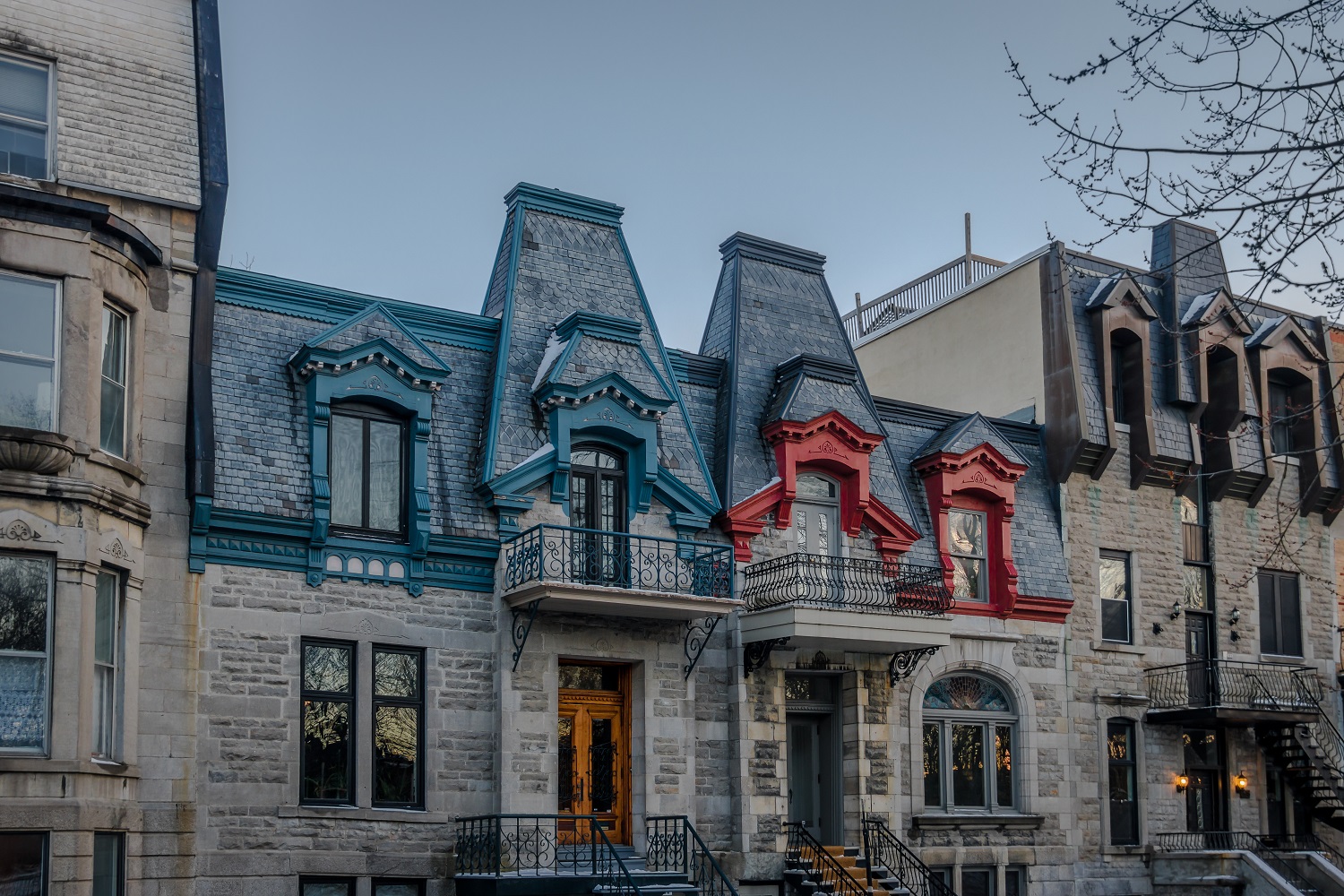
You have just bought a house to renovate at a good price. The inspection revealed that the roof requires work, but you don't know exactly what's urgent versus what can wait.
La Upgrading to roof standards is often a hidden priority that many new owners underestimate. A non-compliant roof causes water infiltration, mold, and major energy losses.
This guide explains in concrete terms what the current standards are, how to prioritize work, and why acting quickly protects your investment. We keep the language simple so you understand exactly what needs to be done.
What you need to know quickly
- Emergency : Non-compliant roof must be corrected before first winter to avoid structural damage
- Current standards : Minimum R-50 insulation for the attic, adequate ventilation, mandatory vapor barrier
- Who is concerned : Buyers of homes built before 2000 or that have undergone non-compliant renovations
What exactly is a “non-compliant” roof
A non-compliant roof does not meet the requirements of the Quebec Construction Code in force. These standards are changing, and many older homes no longer meet them.
Common non-compliance issues:
- Insufficient insulation : Pre-1990 homes often have R-20 or less (current standard: R-50 minimum)
- Lack of vapor barrier or damaged vapor barrier
- Inadequate or blocked attic ventilation
- Multiple layers of shingles (3-4 thicknesses) exceeding structural capacity
- Solins Around chimney or skylights that are poorly installed or deteriorated
Pre-purchase inspection usually identifies these issues. But the inspector rarely notes the extent of work required or the associated costs.
A roof that “still does the job” according to the former owner can hide major deficiencies that are invisible from the ground.
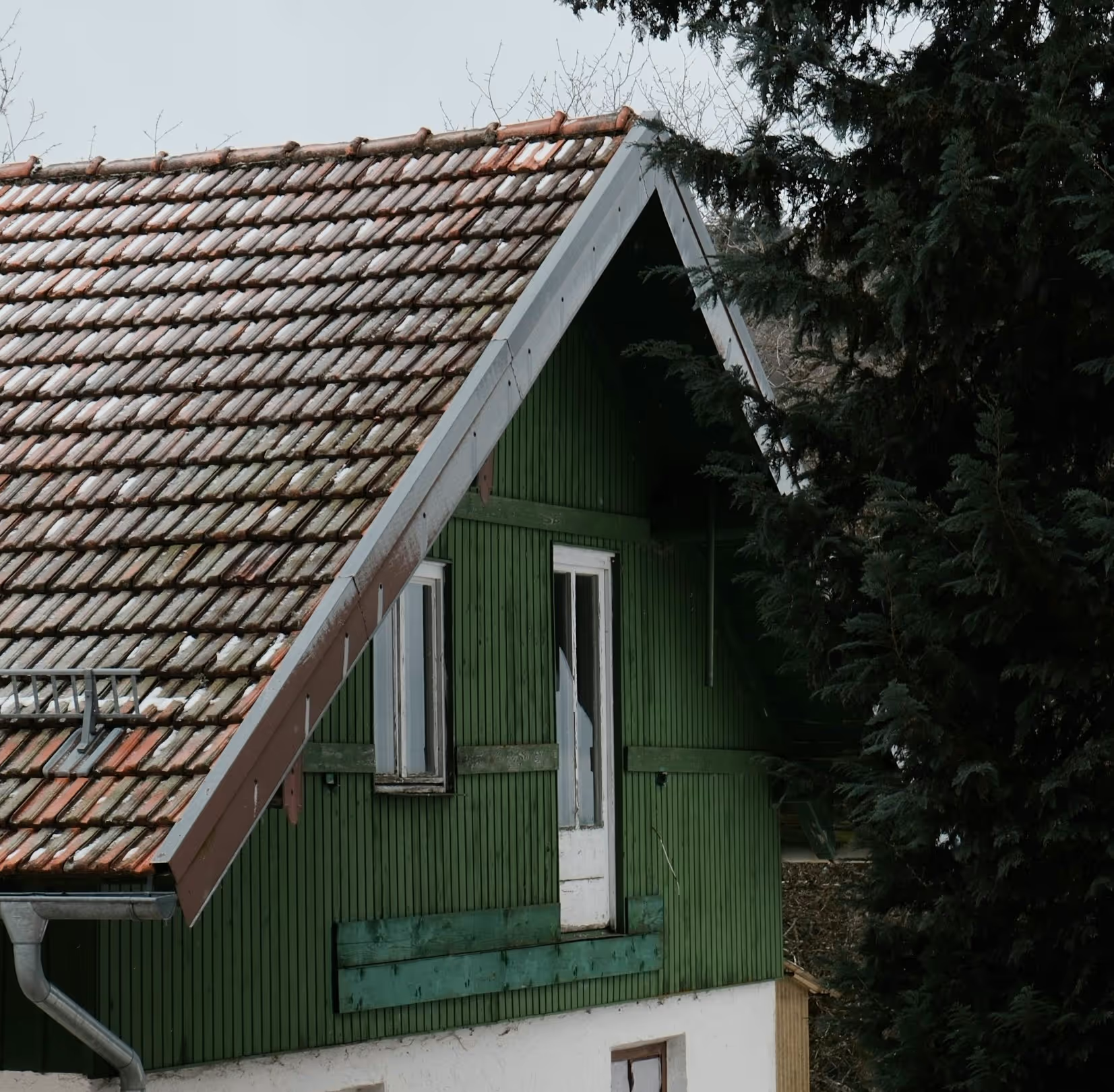
Work prioritization table
Why insulation and ventilation are inseparable
Many new homeowners think that adding insulation solves all the problems. It is wrong and even dangerous without adequate ventilation.
How insulation and ventilation work together:
Insulation keeps your home warm in winter. But some of this heat still migrates to the attic despite the vapor barrier.
If this heat cannot escape (insufficient ventilation), it melts the snow on the roof. The water cools at the edges and forms ice dams. These dams push water under the shingles, causing seepage.
In summer, an overheated attic (up to 70°C) without ventilation prematurely degrades your shingles and increases your air conditioning costs.
La Canada Mortgage and Housing Corporation (SCHL) recommends a ventilation ratio of 1:300 (1 ft² of ventilation for 300 ft² of attic area).

The costly mistakes of beginning renovators
The excitement of a new home is causing some homeowners to take shortcuts to save. These decisions come at a high cost in the medium term.
Pitfalls you should definitely avoid:
- Place new shingles on 2-3 existing layers to save on demolition
- Add insulation without checking/installing adequate vapour barrier
- Seal soffit vents with insulation to “avoid heat loss”
- Hire a cousin/friend who is “good at renovating” without an RBQ license
- Postpone roof work to prioritize kitchen or bathroom
The roof protects everything else in your home. A renovated kitchen in a house with water infiltration will be damaged in a few years.
Non-compliant roofing work can also complicate future sales or insurance claims. Insurers are increasingly verifying the permits and compliance of major works.
How to plan your reinstatement effectively
You bought the house. Now, come up with a realistic action plan based on the emergency and your budget.
Recommended approach:
- First week : Get detailed roof inspection by certified roofer (different from the pre-purchase inspector)
- 2-3 weeks : Collect 2-3 detailed submissions including full compliance
- Month 1 : Prioritize urgent work (infiltrations, structure) for immediate execution
- Months 2-6 : Plan secondary work (insulation, Ventilation) according to budget and season
If you are on a tight budget, talk frankly with your roofer. Some work can be staggered intelligently without compromising the integrity of the house.
Possible financing:
- Government Rénoclimat program (financial assistance for insulation)
- Mortgage line of credit using home equity
- Municipal grants for energy efficiency
- Tax credit for energy-efficient renovations
According to Quebec Energy Transition, several financial assistance programs exist specifically for bringing up to energy standards including roofing.

When to do the work to maximize efficiency and savings
The time when you do your work influences costs, the availability of contractors, and the impact on your daily life.
Optimal schedule:
- Spring (April-May) : Ideal for starting large projects, entrepreneurs less busy than in summer
- Summer (June-August) : High season, higher prices, longer deadlines, but perfect conditions
- Fall (September-October) : Excellent price/availability compromise, complete before snow
- Winter (November-March) : To be avoided unless absolutely urgent, costs increased 30-50%
If you are buying your home in autumn/winter, plan work for the following spring. Install temporary tarpaulins on problem areas in the meantime.
Owners who book their contractor in February-March for work in May get better prices and choice of dates. Those who call in June often wait until September.
Protect your investment from the moment you buy
Buying a house to renovate offers excellent value for money if you manage priorities correctly. Roofing isn't glamorous like a kitchen, but it determines the longevity of all your other investments.
One Upgrading to roof standards Complete costs less than repairing structural damage, mold and damaged insulation caused by years of neglect.
Wise homeowners treat the roof as the foundation of their renovation project, not as an expense to be deferred indefinitely.
Do you need to assess your roof after purchase?
If you have just purchased a property that requires roofing work or if your inspection has raised red flags, we can assess exactly what needs to be done. Our team clearly explains priorities and helps you plan according to your budget and schedule.
Contact Toiture Couvreur Montreal for a detailed conformity assessment and a realistic action plan.
Frequently asked questions