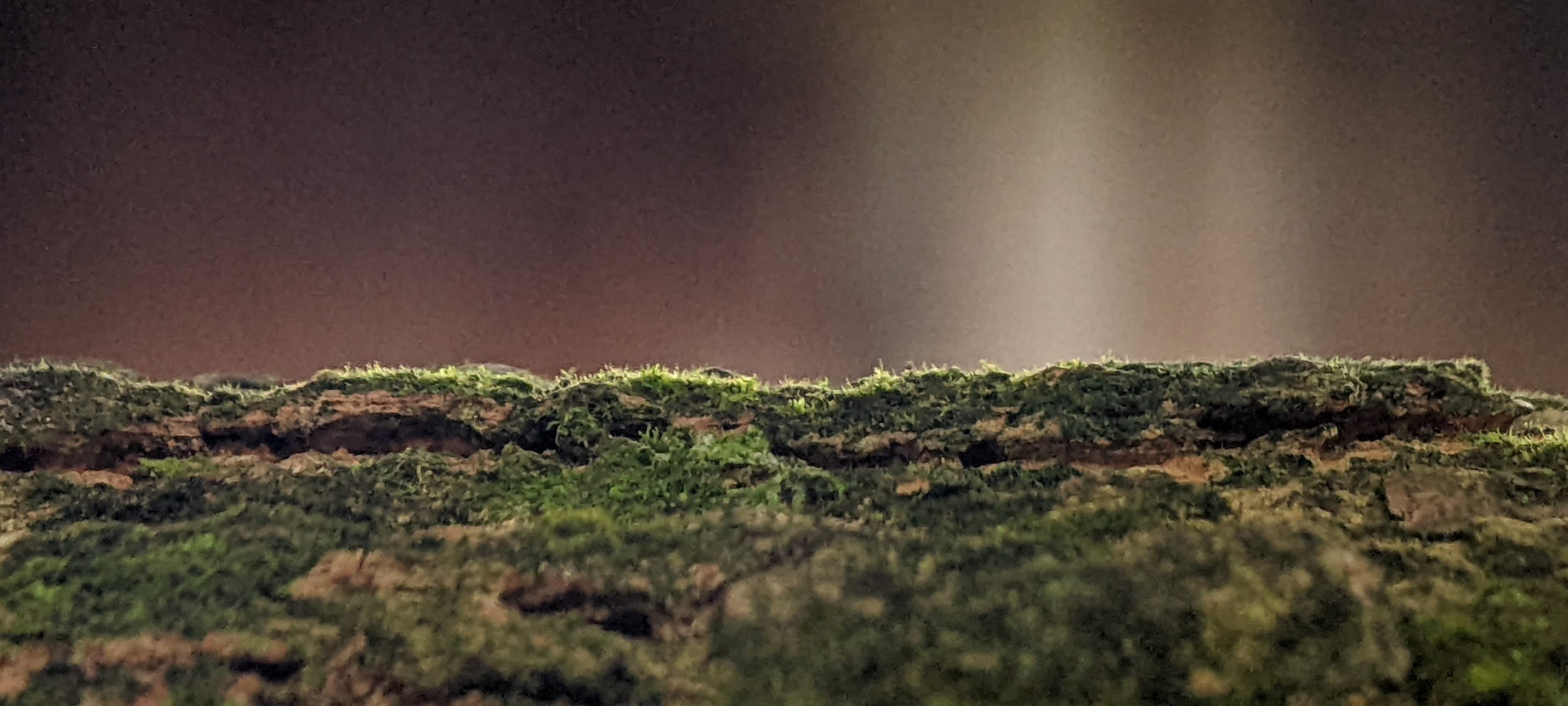
You go down to the basement and a musty smell hits you. Stains appear on the floor. Your slab may be undergoing capillary infiltration.
The foundation slab waterproofing prevents ground water from entering your home This article simply explains why protecting your tile is essential and what you should do.
Key points to remember
• The foundation slab waterproofing Blocks water and soil moisture
• The porous concrete Let the water rise up by capillarity
• Humidity promotes mold, degradation and high energy costs
• A vapour barrier under the slab offers Better Protection
• Warning signs: musty odor, efflorescence, significant humidity
What does waterproofing mean
The foundation slab waterproofing installs a waterproof membrane between the ground and the concrete. Porous concrete absorbs moisture by capillarity. A polyethylene vapor barrier on crushed stone blocks this rise of water.
Why protect your tile
A poorly protected slab Let moisture in which gradually degrades the finishing materials. Flooring, furniture and upholstery deteriorate more quickly. The value of your property decreases if humidity problems are detected during an inspection.
Excessive humidity creates an environment ideal for mold. These fungi release spores that cause allergies, asthma, and respiratory problems. Children and the elderly are particularly vulnerable.
A humid basement is more difficult and expensive to heat. Humidity in the air requires more energy to maintain a comfortable temperature. By controlling the humidity level, you reduce your energy bill.

Signs of a problem
Several signs point to a problem with foundation slab waterproofing. Here are the visual signs to look out for:
- Efflorescence: Whitish crystals on concrete indicate that water passes through the slab and causes mineral salts to rise
- Humidity stains: Darker areas on the floor that indicate active infiltration
- Molds: Green, black, or brown spots on surfaces, sometimes hidden under flooring
- Deterioration of materials: Floor that rises, tiles that peel off, wood that warps
- Persistent odor: Musty or earthy odor that does not disappear despite aeration
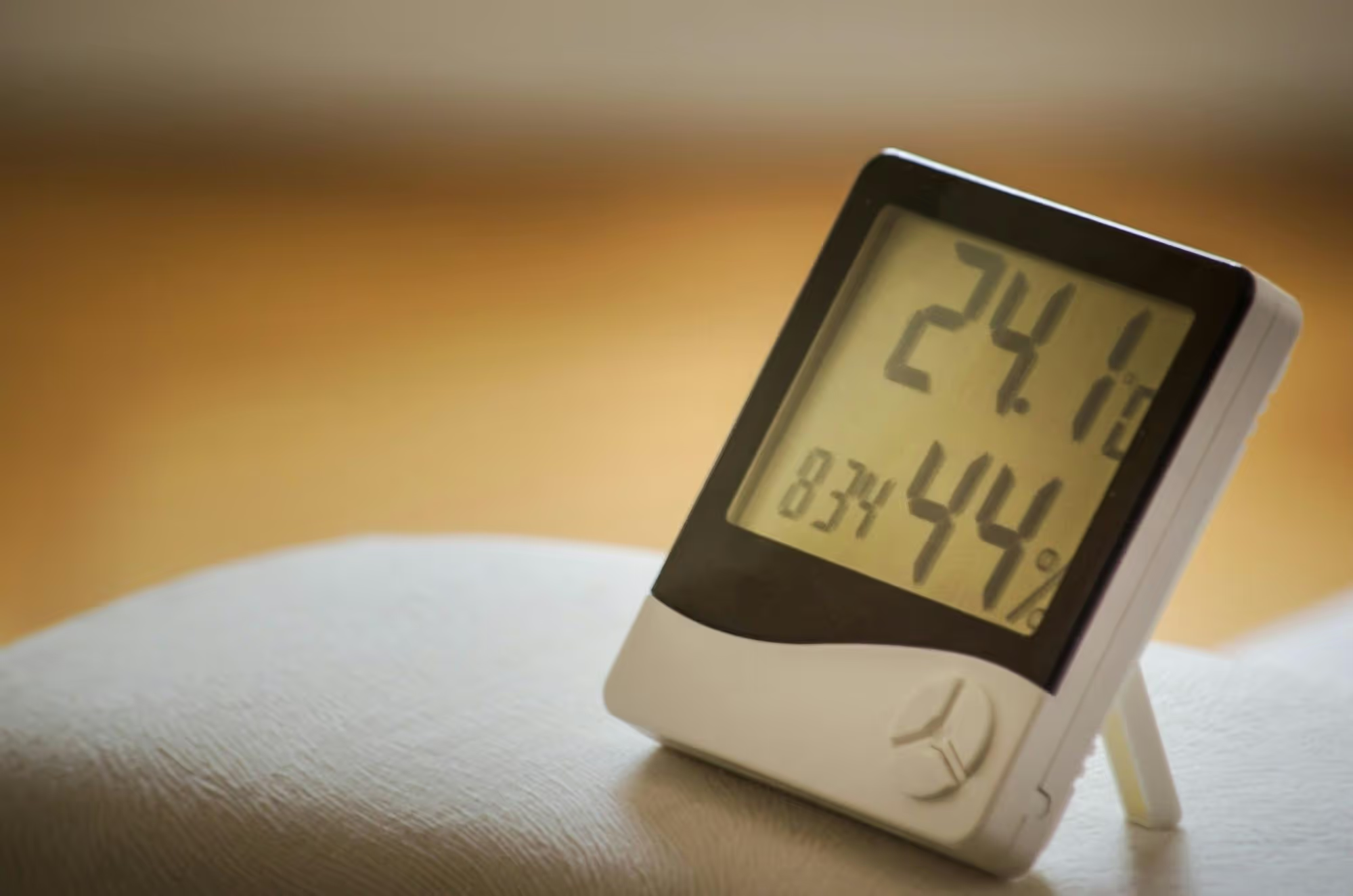
Beyond the visible signs, a hygrometer constantly displaying more than 50% relative humidity indicates an imbalance. Basement air should normally stay between 30% and 50%. If your finishes deteriorate quickly or if you feel a heavy atmosphere in the basement, it is because humidity is attacking your slab.
When to act when faced with problems
What you need to do
In Quebec, the Building code requires protection complying with ONGC standards for slabs located under living spaces.
New construction: Install a polyethylene vapor barrier under the slab before concrete is poured. Respect the standards of the Construction Code and use the Best recommended practices.
Immediate actions: Direct The gutters 2 meters from the foundations. Create a slope that draws water away from the house. Use a dehumidifier to control room humidity.
When to consult a professional: If the humidity level exceeds 50% consistently, if you observe visible molds or if you notice active infiltrations. A specialist en foundations will assess the extent of the problem and propose appropriate solutions.
Preventive practices
When building, place 4 inches of crushed stone under the slab. Install the vapor barrier by straddling the strips. Seal the slab-wall joints.
Regularly check the Peripheral drainage and foundation insulation. Keep gutters clean. Inspect the slab for cracks. Maintain a low temperature in the basement in winter.
Protect your investment
The foundation slab waterproofing preserves your comfort, your health and the value of your property. Humidity problems get worse over time. Acting early prevents costly repairs. A well-protected slab ensures the durability of your home for years to come.
Need help with your tile?
If you see signs of humidity, our team assesses your situation and guides you to the Better solution. Protect your investment with appropriate professional advice.
Contact us at the first signs and we will guide you to the right decision.
Frequently asked questions